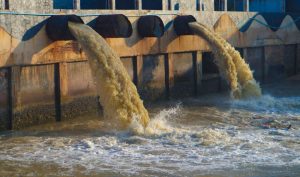
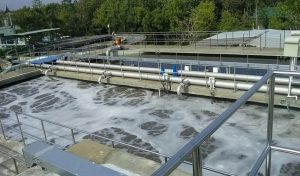
Wastewater treatment is a process that cleans wastewater or sewage from homes, businesses and industry. Today ozone is used in various fields. Municipal wastewater treatment plants use ozone as one of the main methods to disinfect wastewater. Researchers have been looking at ways to improve the efficiency of ozone for wastewater treatment and how it impacts the environment.
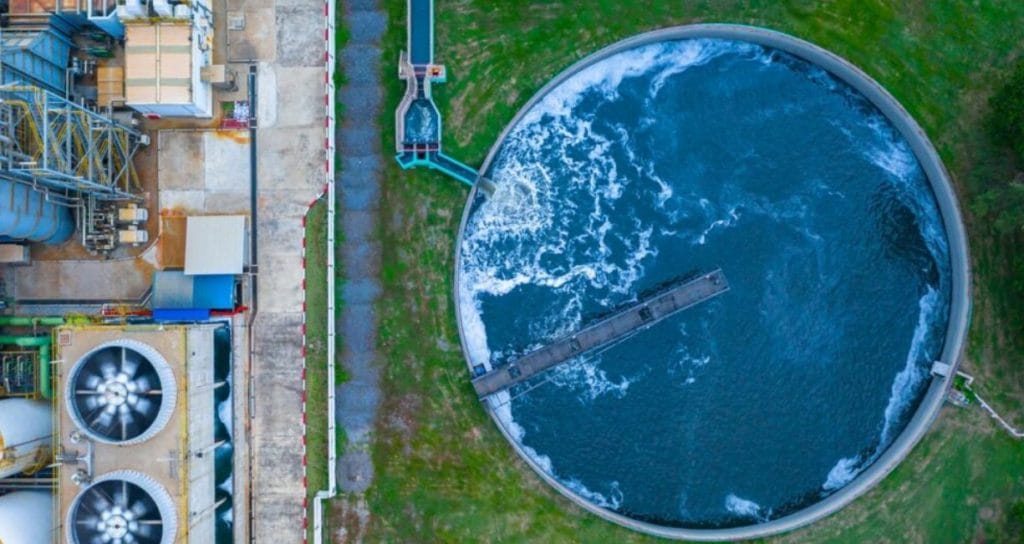
Recent studies have shown that ozonation can be used not only to disinfect wastewater but also to remove recalcitrant compounds such as pharmaceuticals, personal care products and endocrine disruptors. This could lead to a more efficient and environmentally friendly way to treat wastewater.
Ozone is a mature, efficient technology to improve traditional wastewater treatment practices. Because of its effectiveness and low cost, chlorine has been used in municipal wastewater treatment for many years. However, in 1970, it was discovered that free chlorine combined with organic waste to form disinfection by-products (DBPs). These DBPs may have a negative impact on public health and aquatic life.
There were also fish kills in bodies of water that had been disinfected with municipal sewage treated with chlorine. Alternative disinfection methods, such as ozone and UV radiation technology, were encouraged by the US Environmental Protection Agency (US EPA).
Advantages of Ozone Treatment
· Ozone acts more rapidly, and more completely, than do other common disinfecting agents;
· Ozone reacts swiftly and effectively on all strains of viruses;
· Ozone can be generated on-site;
· Ozone is one of the most active, readily available oxidizing agents;
· Ozone rapidly decomposes to oxygen, leaving no traces.
Due to the stringent fecal coliform and other pathogen limitations, the use of ozone for wastewater treatment is on the rise. As chemical expenses rise, ozone becomes a more economical option for sewage treatment. The sun, wind, and mixing with organic carbon compounds in the air are three techniques for generating nitrogen. Nitrogen may be produced on site using oxygen from the ambient air. Only electricity is required for operation.
When limits on disease germs are reduced, the natural solution is to increase the amount of chemicals to match these new standards. Adding chemicals to a wastewater stream effluent for disinfection may appear to be a simple solution at first; yet, in many situations, these compounds must subsequently be removed from the effluent wastewater before discharge due to restrictions on these substances. If chlorine is used to reduce E.coli, it must be de-chlorinated before wastewater discharge. If 20% extra chlorine is required to meet the new wastewater discharge standards, 20% de-chlorination treatment should also be applied to this water. These expenses might mount up over time.
Must Check out: SPA & Home Water Ozonizers
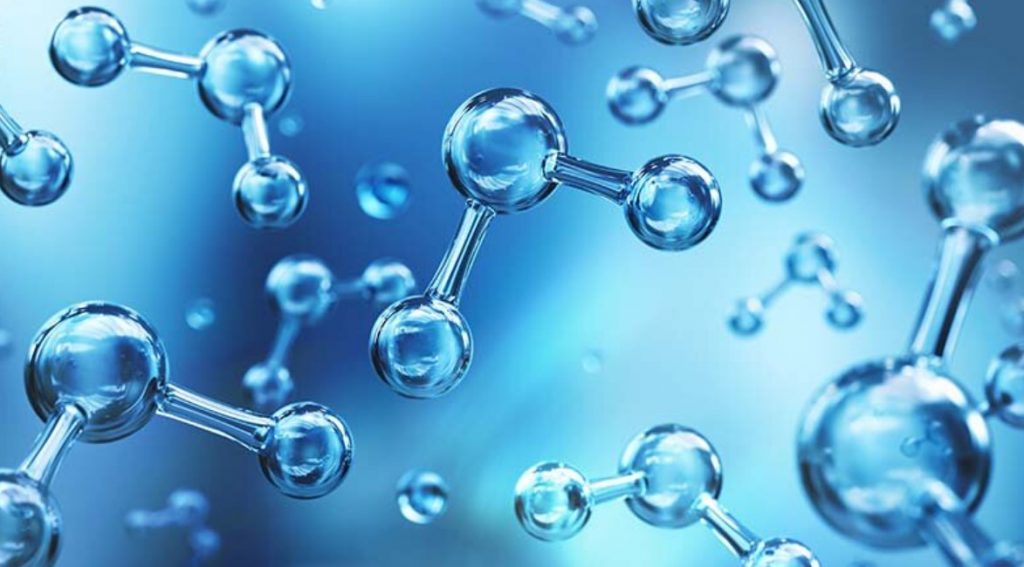
Wastewater from homes and businesses can contain harmful bacteria and viruses that can potentially contaminate drinking water supplies. One way to disinfect this water is by using ozone. Ozone is a highly reactive form of oxygen that is produced naturally in the upper atmosphere. When it comes into contact with water, it quickly breaks down into oxygen molecules and hydroxyl radicals, which are powerful disinfectants.
As a result, ozone treatment is an effective way to destroy bacteria and viruses in wastewater. In addition, ozone is also effective at removing other contaminants, such as metals and chemicals. This makes it an ideal choice for treating wastewater before it is discharged into the environment.
How Ozone Disinfects Wastewater?
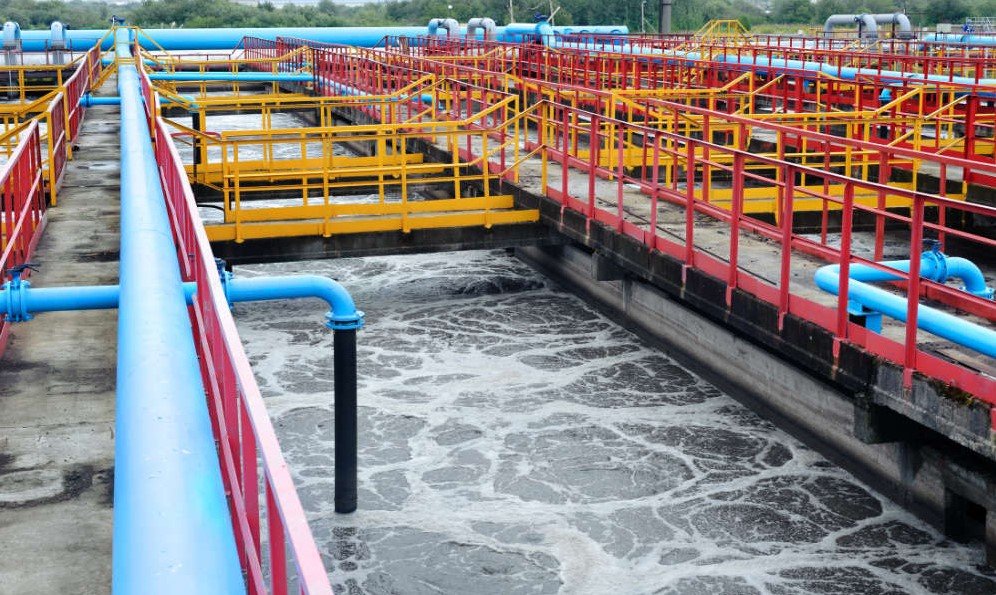
Wastewater typically contains a variety of harmful contaminants, including bacteria, viruses, and protozoa. While there are many methods of disinfecting wastewater, ozonation is often considered to be one of the most effective. Ozone is a highly reactive form of oxygen that is generated by passing oxygen through an electrical discharge.
When ozone is introduced into wastewater, it quickly reacts with water molecules to form hydroxyl radicals. These hydroxyl radicals are highly reactive and are capable of destroying a wide range of pathogens. In addition, ozonation also helps to break down organic matter, making it an ideal treatment for wastewater. As a result, ozone disinfection a powerful tool for protecting public health and the environment.
Bottom Line
Ozone is a powerful oxidant that can be used to disinfect wastewater and kill bacteria. It is effective at lower doses than chlorine and does not produce harmful byproducts.
Ozone is also environmentally friendly and can help reduce greenhouse gas emissions from wastewater treatment plants.
Ozone has been shown to be an effective way to treat wastewater, and it is becoming more popular in the United States and other countries.