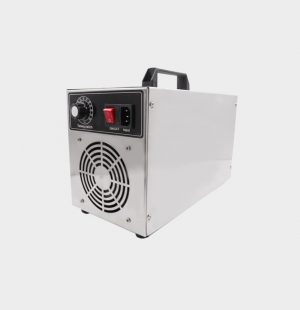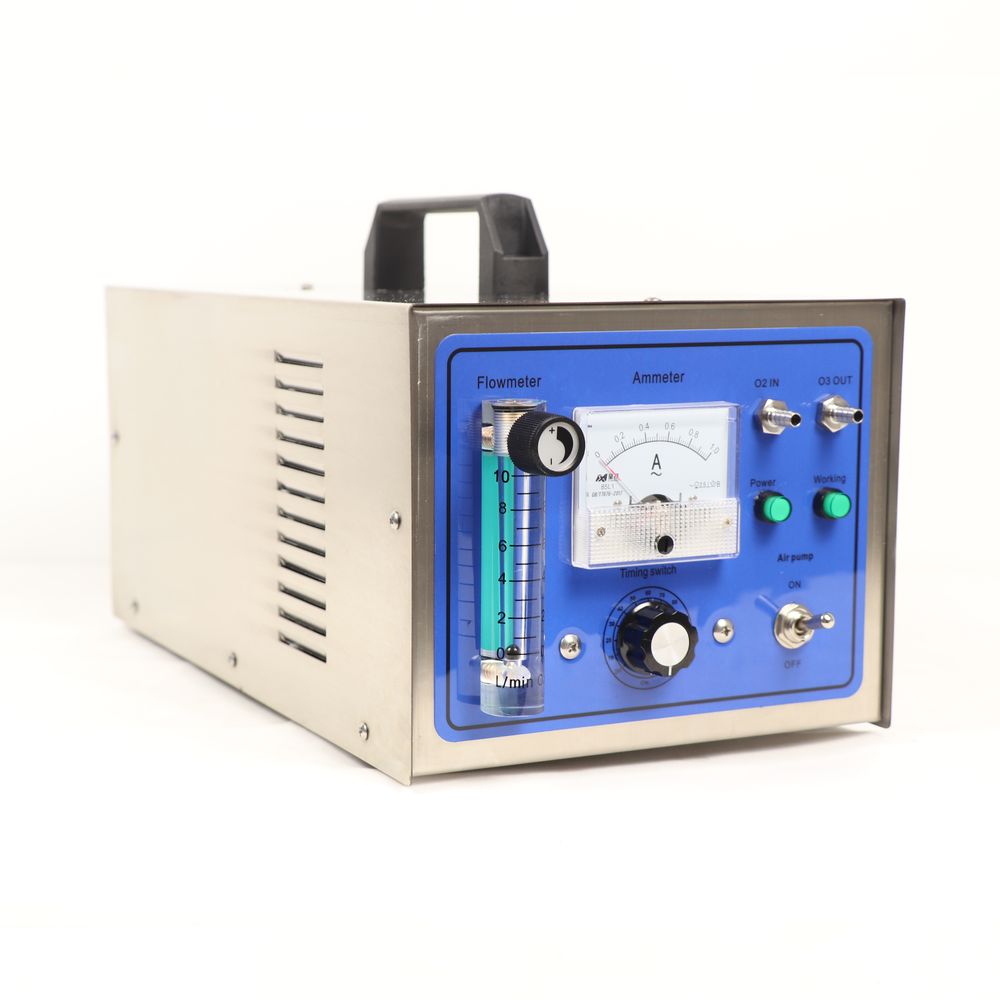
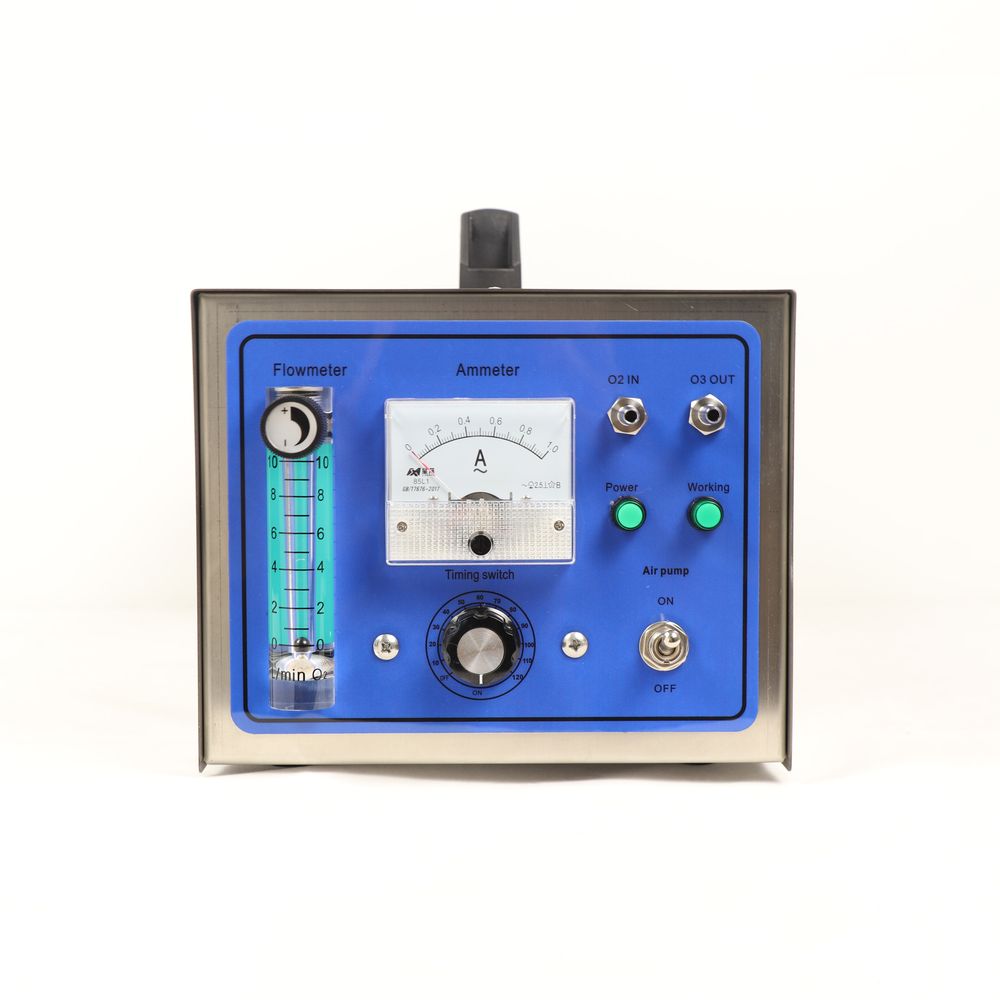
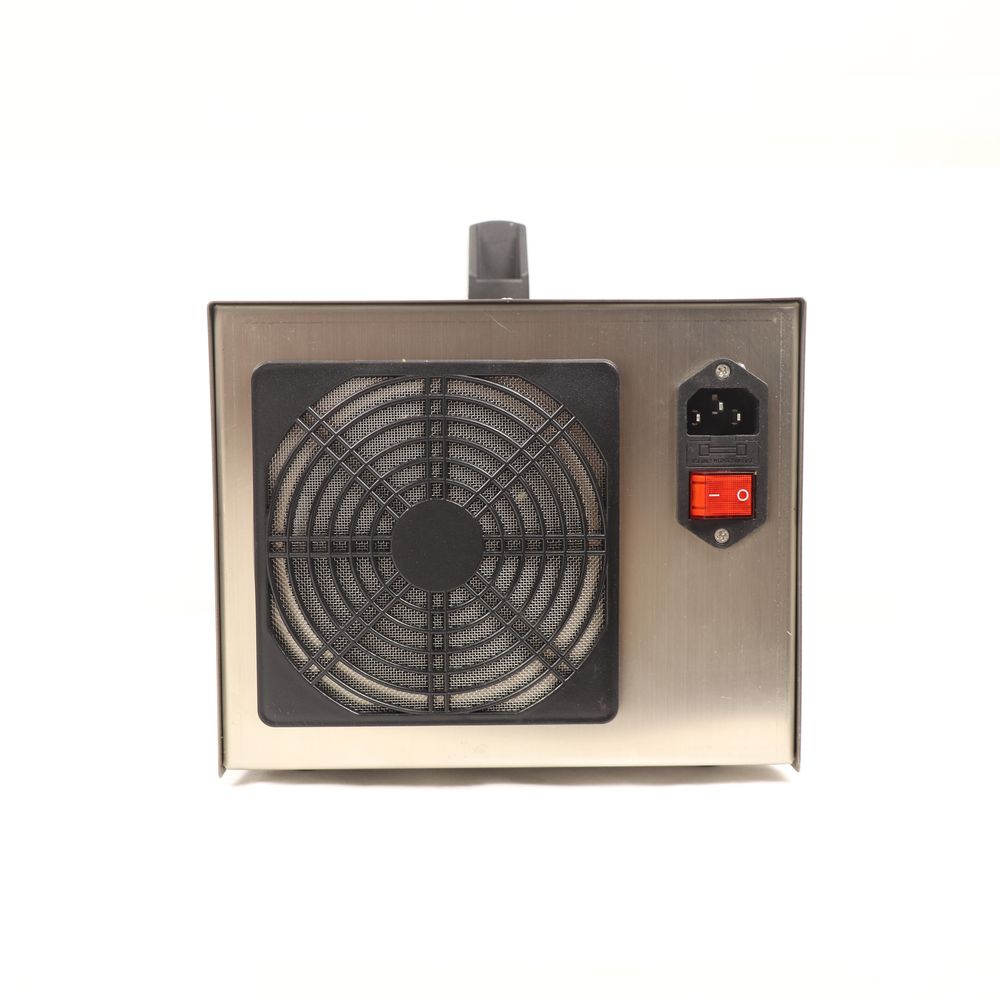
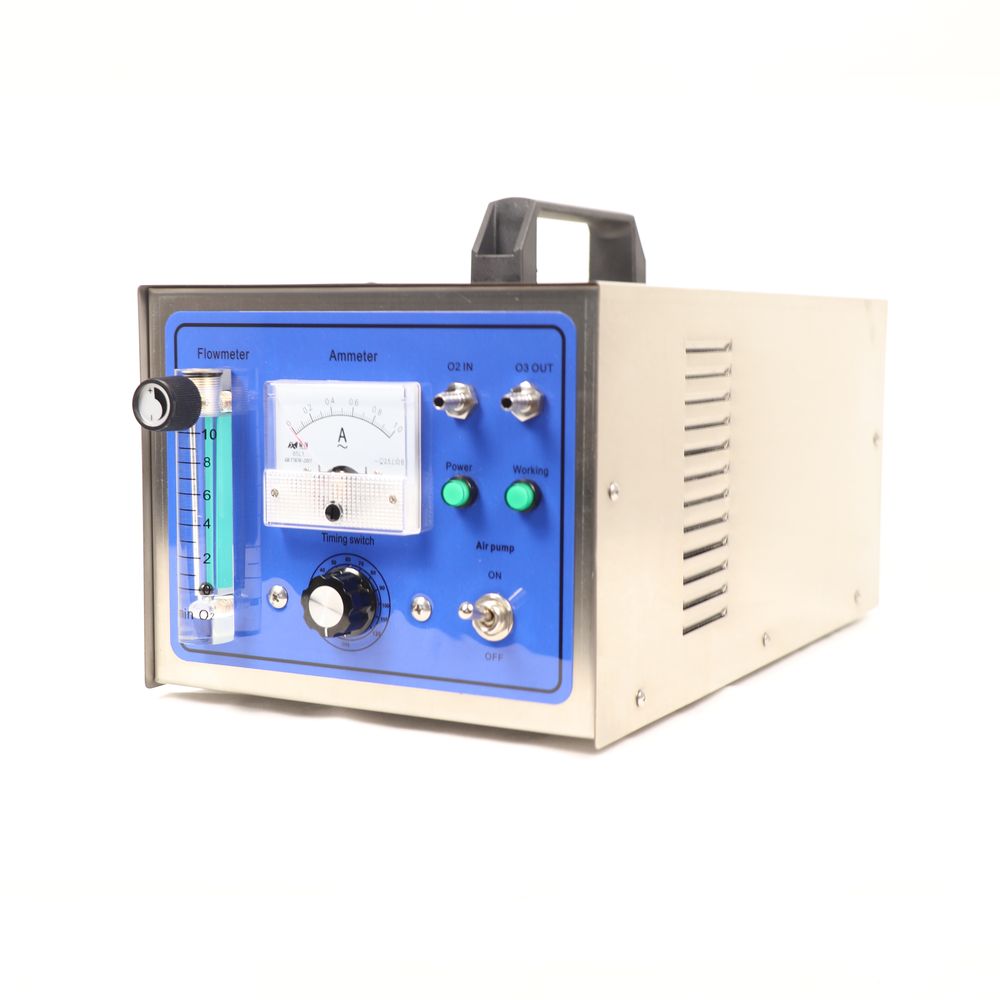
15 g/h Piped-Output Ozone Generator for Air & Water
The current product page will be included automatically with your inquiry.
Compact piped-output ozone generator for B2B air treatment, water treatment and OEM equipment. Ozone can be delivered by tubing to a venturi injector, diffuser, cold room, process duct or customer system; integrated air-pump and external-oxygen configurations are available.
Description
15 g/h Piped-Output Ozone Generator for Controlled Air, Water and OEM Processes
This compact ozone generator is designed for B2B system integration. Ozone is produced inside an enclosed module and discharged through a defined gas outlet, allowing it to be transferred by tubing to a venturi injector, diffuser, contact vessel, storage room, process duct or customer-designed equipment. It is not an exposed ozone tube or plate intended to blow ozone directly into an open area.
The unit can use its integrated air pump for suitable projects or an external oxygen source when the application requires higher ozone concentration, a cleaner feed-gas path or reduced nitrogen-oxide by-products associated with nitrogen-containing feed air. Final performance depends on feed-gas purity and dryness, gas flow, temperature, humidity, back pressure and the selected discharge technology.
Typical B2B Applications
- Water and wastewater treatment: venturi injection, diffuser contact, recirculation loops and OEM ozone-water equipment.
- Commercial laundry and washing systems: ozone gas supplied to an injector or mixing device for controlled ozone-water preparation.
- Cold rooms and food-storage spaces: ozone delivered through tubing to a designed distribution point; oxygen-feed configurations may be considered where nitrogen-oxide by-products must be minimized.
- Kitchen exhaust and odor-control ducts: remote ozone generation with a serviceable gas-delivery line can improve access and reduce routine maintenance compared with placing the generating element inside a greasy duct.
- OEM cleaning, process-air and packaging equipment: integration into customer machinery with interlocks and defined ozone contact zones.
- Laboratory and pilot systems: adjustable ozone concentration and gas flow for reaction studies, material tests and process development.
- Agricultural equipment: controlled ozone-gas or ozone-water supply for irrigation, washing, post-harvest and enclosed-process systems, subject to project validation.
Configuration Overview
| Item | Project consideration |
|---|---|
| Nominal product class | Up to 15 g/h. Confirm the required test condition, feed gas and flow before quotation. |
| Ozone concentration | Specified separately from g/h output; affected by feed gas, gas flow, dryness, temperature and operating condition. |
| Gas flow | Specified in L/min or Nm³/h because it affects concentration, transfer, dilution and contact design. |
| Feed-gas options | Integrated air pump, prepared dry air or external oxygen, depending on concentration and by-product requirements. |
| Gas connection | Defined inlet/outlet gas path for application-specified ozone-resistant tubing. |
| Gas-phase delivery | Tubing to a distribution point, cold room, process enclosure or odor-control duct. |
| Water mixing | Venturi injector, diffuser or customer-designed contact system; hydraulic conditions must be confirmed. |
| Electrical supply | Configured for the destination market. Specify voltage and frequency in the RFQ. |
| Controls | Timer, output adjustment and OEM control/interface options are available subject to project review. |
Air Feed or Oxygen Feed?
Prepared dry air can be economical for general industrial duty. Oxygen feed normally supports higher ozone concentration and avoids introducing most of the nitrogen present in ambient air, which can help reduce formation of nitrogen-oxide by-products. This can be important in cold storage, food-related processes, laboratories and other applications with stricter gas-quality requirements. The correct configuration should be selected from actual process conditions rather than ozone output alone.
Engineering and Commercial Trade-Off
A piped-output system can require a higher initial investment because it may include gas preparation, oxygen supply, tubing, injectors, distribution hardware, controls and off-gas treatment. In return, it offers a more controllable ozone source, flexible placement of the generator and easier service access. For oily kitchen exhaust ducts, locating the generator away from the contaminated air stream can also reduce cleaning difficulty and long-term maintenance cost.
Information Required for Selection
- Application and target result
- Required ozone output or concentration and test condition
- Air, prepared dry air or oxygen feed
- Gas flow, pressure/back pressure and delivery distance
- For water: water flow, pressure, injector vacuum and contact arrangement
- For rooms or ducts: volume, airflow, temperature, humidity and operating cycle
- Voltage/frequency, controls, quantity and OEM requirements
B2B Supply and OEM Support
Morhon Tech was established in 2015, while our ozone-industry experience dates to 2007. We support manufacturers, distributors, project companies and overseas industry partners with standard units, customized configurations and OEM/private-label projects. Many customer-specific products cannot be displayed publicly, so please send your project parameters for an engineering review.
Safety and Integration Notes
Ozone is a strong oxidant. The completed system must include application-appropriate ventilation, leak prevention, compatible materials, interlocks, monitoring and residual/off-gas treatment. Ozone should not be released into occupied spaces. The equipment integrator is responsible for validating performance, worker exposure controls and compliance in the destination market.
PRODUCT INQUIRY
Ask About This Product
Send your name, company, business email and a short message. We will confirm technical details, quantity and quotation by email or WhatsApp. The current product page is included automatically with your inquiry.